

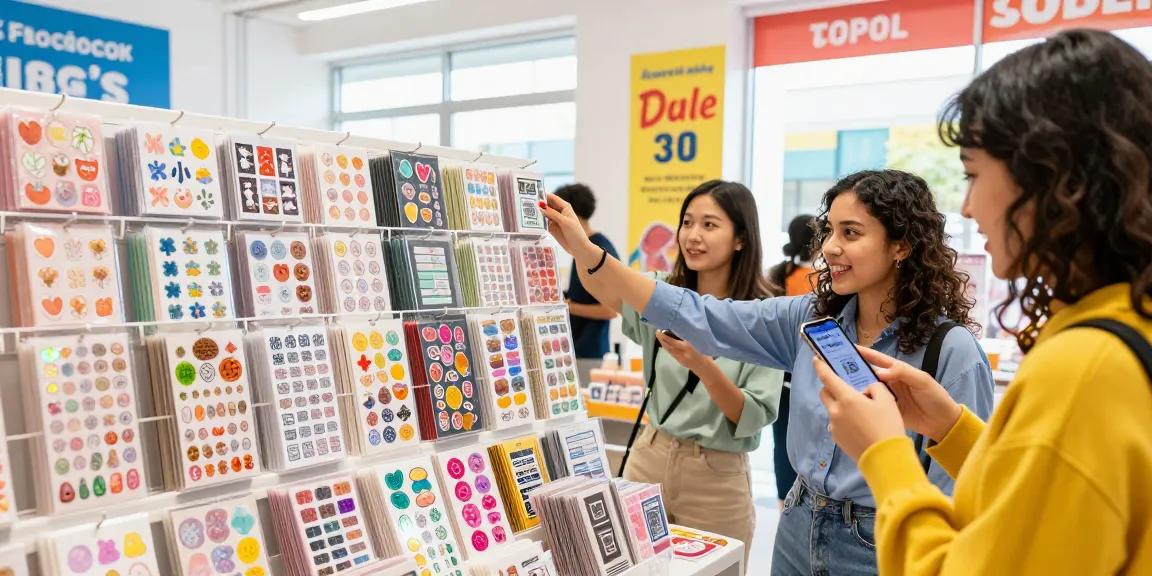
Understanding the Value of Custom Stickers
In today’s fast-paced commercial landscape, businesses are continually seeking innovative ways to stand out from the competition. One such effective method is through the use of custom stickers. These versatile branding tools offer businesses an opportunity to communicate their messages, enhance brand visibility, and engage with their target audience creatively. With numerous shape, size, and material options available, custom stickers can cater to a wide range of marketing strategies, making them indispensable for modern brands.
Why Custom Stickers Matter for Branding
Custom stickers serve as a unique representation of a brand’s identity. They are not only functional but also visually appealing, which can captivate potential customers. A well-designed sticker can create a significant impact, often resulting in increased brand recognition and customer loyalty. For instance, businesses can leverage stickers as promotional giveaways, using them in events or as part of product packaging. When customers receive a sticker that resonates with them, it fosters a connection, prompting them to engage more deeply with the brand.
Identifying Target Audiences for Custom Stickers
Understanding your target audience is critical when considering custom stickers. Various demographics respond differently to sticker designs based on age, interests, and purchasing behaviour. For example, younger audiences may prefer trendy, colourful designs, while older demographics might appreciate more understated, classic styles. Conducting market research helps businesses tailor their products effectively, ensuring that the stickers resonate well with intended consumer groups.
Common Misconceptions About Custom Stickers
There are several misconceptions surrounding the use of custom stickers in marketing. One common belief is that stickers are only suitable for casual brands or products. In reality, businesses across various industries, including corporate, retail, and even non-profits, can effectively utilise stickers. Another misconception is that custom stickers are expensive. However, advancements in printing technology have made producing high-quality stickers more affordable than ever, offering various price points to suit different budget constraints.
Best Practices for Designing Custom Stickers
To create impactful custom stickers, businesses must adhere to design best practices that enhance visual appeal and facilitate effective branding. The design process begins with understanding the brand’s message and how it can be visually conveyed through stickers.
Choosing the Right Materials and Finishes
The choice of materials significantly affects the durability and appeal of custom stickers. Common options include vinyl, paper, and polyester, each offering unique benefits. For outdoor use, durable vinyl is recommended due to its weather resistance. Furthermore, finishes such as matte, gloss, or transparent can enhance the design, making it more visually striking. Selecting the appropriate combination ensures that the stickers not only look great but also withstand their intended use.
Design Tips for Eye-Catching Custom Stickers
Effective sticker design combines creativity with simplicity. Businesses should focus on bold visuals, vibrant colours, and clear messaging. Using whitespace effectively can help direct attention to key elements of the design. Additionally, incorporating interactive elements, like QR codes, can engage customers further by directing them to online platforms or promotions.
Incorporating Brand Elements into Sticker Designs
Consistency across all branding materials is crucial. Businesses should ensure that their custom stickers reflect brand colours, logos, and font styles. This uniformity makes it easier for customers to recognise the brand across different media, reinforcing brand identity and loyalty. For example, a coffee shop might use stickers that feature its logo and colour scheme, making it instantly recognisable to its patrons.
Effective Marketing Strategies for Custom Stickers
Once custom stickers are designed, the next step involves implementing effective marketing strategies to maximise their impact. A well-planned approach can enhance brand visibility and increase customer engagement.
Leveraging Social Media to Promote Custom Stickers
Social media platforms provide an excellent channel for promoting custom stickers. Brands can share visually appealing images of their stickers, engaging posts about their design process, or even run contests encouraging followers to share their own sticker designs. This engagement fosters a sense of community and excitement, which can significantly boost brand loyalty and awareness.
Utilising Influencer Partnerships for Custom Merchandise
Partnering with influencers can effectively reach niche markets. Influencers can showcase custom stickers in authentic contexts, thus providing organic exposure to potential customers. By selecting influencers whose audiences align with the brand’s target demographic, businesses can ensure better engagement and conversion rates.
Creating Engaging Content Around Your Stickers
Content marketing strategies that include storytelling about the brand or the inspiration behind the sticker designs can connect with audiences on a deeper level. Blog posts, videos, and tutorials can help in explaining how stickers can be creatively used, further encouraging consumer engagement and product sales.
Measuring Success of Custom Stickers Campaigns
Determining the effectiveness of custom stickers requires a metrics-driven approach. By analysing data and customer feedback, businesses can refine their marketing strategies and improve future campaigns.
Key Performance Indicators for Sticker Sales
Establishing clear key performance indicators (KPIs) is essential for measuring sticker campaign success. Metrics such as sales figures, conversion rates, and customer acquisition costs can provide valuable insights. Additionally, tracking the distribution channels of stickers and their impact on sales is vital in understanding which strategies work best.
Tracking Customer Engagement and Feedback
Customer feedback is invaluable when assessing the reception of custom stickers. Online reviews, social media engagement, and direct customer surveys can reveal insights into customer attitudes and preferences. By actively seeking and analysing this feedback, brands can make necessary adjustments to improve future sticker designs and promotional strategies.
Using Analytics to Adjust Future Sticker Promotions
Utilising web and sales analytics tools can significantly enhance a brand’s understanding of its sticker campaign performance. Analyzing customer behaviour patterns, such as which stickers are most popular or which promotional strategies yield the highest conversions, allows businesses to tailor their future campaigns for greater effectiveness.
Emerging Trends in Custom Stickers for 2026
As technology and consumer preferences evolve, so too do the trends surrounding custom stickers. Staying informed about these changes can help businesses remain competitive and innovative.
Eco-Friendly Materials in Sticker Production
With increasing awareness around sustainability, consumers are gravitating towards eco-friendly products, including stickers. Recycling and biodegradable materials are becoming important factors for buyers. Brands that utilise sustainable materials in their sticker production not only appeal to environmentally conscious consumers but also enhance their brand image.
Technology Integration in Custom Stickers
Advancements in technology are reshaping the design and application of custom stickers. Techniques such as augmented reality (AR) are being integrated to create interactive sticker experiences, merging physical stickers with digital content. This innovation can captivate customers, providing them with a unique interaction with the brand.
Predictions for Custom Stickers in E-commerce Growth
As e-commerce continues to expand, the demand for custom stickers is expected to rise. Many online retailers leverage stickers to enhance customer experience, particularly with packaging that includes stickers that reflect the company’s branding. This trend emphasizes the importance of customer touchpoints, ensuring that every interaction reinforces brand identity.
What types of custom stickers are most popular?
The most popular types of custom stickers include vinyl stickers, die-cut stickers, and holographic stickers. Each type serves different purposes in branding strategy and promotional activities.
How do I choose the right size for my custom stickers?
The right size for custom stickers usually depends on how they will be used. For business cards, smaller stickers may be ideal, while larger stickers may be better suited for packaging or outdoor applications. Consider the space available and the intended impact when determining size.
Can custom stickers be used for promotional events?
Yes, custom stickers are excellent tools for promotional events. They can serve as giveaways, helping to enhance brand visibility and attract new customers. Stickers can be attached to products, handed out at events, or included in promotional packages.
What are the best materials for outdoor custom stickers?
For outdoor use, vinyl is typically the best choice due to its resilience against weather elements like rain and sunlight. It also ensures that stickers maintain their vibrant colours and adhesion over time.
How can I track the performance of my custom sticker sales?
Tracking performance can be done through analytics tools that monitor sales data, customer feedback, and engagement metrics. This data will provide insights into which sticker designs are successful and how customers interact with the product.