

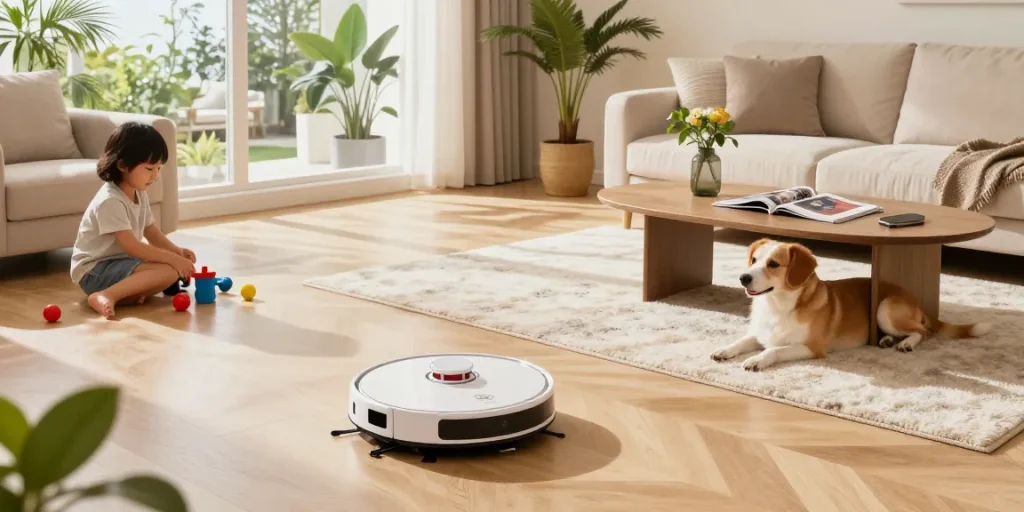
Introduction to Robot Vacuums in 2026
As we venture further into 2026, the landscape of home cleaning technology continues to evolve, particularly with the rise of robot vacuums. These devices have transitioned from simple, automated cleaners to sophisticated machines equipped with advanced AI capabilities, smart mapping, and enhanced suction technology. In a world where convenience and efficiency are paramount, robot vacuums have become essential household companions, helping users maintain cleanliness with minimal effort. Moreover, for those exploring options, robot vacuum 2026 offers comprehensive insights into the best models available this year.
What Makes Robot Vacuums Essential?
The demand for robot vacuums has surged due to their convenience and time-saving benefits. These devices are designed to operate autonomously, allowing users to reclaim their time while ensuring their homes remain spotless. Moreover, robot vacuums are equipped with various features that cater to different cleaning needs, such as pet hair removal, hard floor cleaning, and deep carpet cleaning. With the integration of smart technology, many robot vacuums can now be controlled via smartphone apps, allowing users to schedule cleaning sessions, customize cleaning paths, and even receive updates on the cleaning process from anywhere.
Technological Advancements in 2026
In 2026, several technological advancements have enhanced the efficiency and capabilities of robot vacuums. One of the most significant improvements is the integration of AI and machine learning algorithms, allowing these devices to adapt to their environment, navigate obstacles, and optimize cleaning routes. Additionally, advancements in battery technology have led to longer operating times, enabling robot vacuums to clean larger areas without needing frequent recharging. Coupled with advanced sensors, robot vacuums can effectively avoid falls, route around furniture, and identify areas requiring extra attention.
Key Features to Look for in 2026 Models
- Smart Mapping: A feature that allows the vacuum to create a map of your home for efficient cleaning.
- Voice Control: Compatibility with virtual assistants like Alexa or Google Assistant for hands-free operation.
- Self-Emptying Dustbins: Models that can automatically empty their dustbins into a base station, reducing maintenance efforts.
- Advanced Suction Power: Enhanced suction capabilities for better dirt and debris pickup on various surfaces.
- Customizable Cleaning Modes: Options for spot cleaning, edge cleaning, and scheduled cleanings based on user needs.
Top Robot Vacuums of 2026
Innovative Models Worth Considering
This year has introduced several groundbreaking robot vacuums, each boasting unique features tailored to diverse cleaning needs. For instance, the Dreame X60 has emerged as a favorite, featuring a powerful suction of 4,000 Pa, efficient navigation, and an intelligent mapping system that adapts to various layouts. Similarly, the Roborock Saros 20 excels with its all-in-one vacuum and mopping capabilities, making it perfect for homes with both carpets and hard floors.
Comparative Analysis of Top Brands
When evaluating the best robot vacuums, it’s crucial to compare the leading brands. iRobot remains a stalwart in the market, renowned for its Roomba series, which continues to deliver excellent performance and reliability. Meanwhile, Ecovacs has gained traction with models like the Deebot T9, offering smart home integration and comprehensive cleaning functions. Neato is another contender, known for its D-shape design that allows for effective edge cleaning and navigating tight spaces.
User Reviews and Performance Insights
User feedback is vital for understanding the performance of robot vacuums. The majority of users praise the ease of use and convenience, often highlighting that regular maintenance cleaning has become a breeze. However, common critiques include concerns over their ability to handle larger debris or perform deep cleaning as effectively as traditional vacuums. Overall, reviews suggest that while robot vacuums are not a complete replacement for manual cleaning, they significantly reduce the workload of maintaining a clean home.
Best Practices for Using Robot Vacuums
Preparing Your Space for Optimal Cleaning
To ensure your robot vacuum operates at its best, it’s essential to prepare your space adequately. Begin by removing small obstacles such as toys, shoes, and cords that could impede the vacuum’s path. Additionally, clearing away dust and debris from corners and under furniture can help the vacuum pick up more dirt effectively. Setting up virtual no-go zones in your vacuum’s app can also prevent it from entering areas where it may get stuck or tangled.
Maintenance Tips for Longevity
Regular maintenance is key to extending the life of your robot vacuum. Users should routinely empty the dustbin, clean the brushes, and check for any blockages in the wheels or suction area. Battery maintenance is also crucial; allowing the vacuum to fully charge before use can prevent battery degradation. Many modern vacuums will notify users when maintenance is due, making it easier to stay on top of necessary upkeep.
Troubleshooting Common Issues
Like any technology, robot vacuums can encounter issues. Common problems include connectivity hiccups, navigation errors, and inadequate cleaning performance. Users can often resolve connectivity issues by restarting the vacuum and ensuring proper Wi-Fi settings are enabled. For navigation problems, recalibrating the vacuum can often rectify the situation, while performance issues may require deep cleaning of the vacuum itself.
Future Trends in Robotic Cleaning Technology
Emerging Technologies on the Horizon
The future of robot vacuums looks promising, with advancements in AI and robotics paving the way for even smarter and more efficient cleaning solutions. Emerging technologies, such as improved sensor systems and machine learning algorithms, are expected to enhance navigation and obstacle detection further. Additionally, integrations with smart home technologies will allow robot vacuums to communicate with other devices, creating a harmonious cleaning environment.
Predictions for Home Automation Integration
As smart home technology becomes increasingly prevalent, the integration of robot vacuums with home automation systems is anticipated to grow. Future models may include features that allow users to coordinate cleaning schedules with lighting and climate control systems, enabling homes to maintain a clean and comfortable atmosphere effortlessly. This seamless integration will enhance user experience and further entrench robot vacuums in modern smart homes.
Sustainability Considerations in 2026 Designs
With sustainability becoming a crucial aspect of consumer preference, many manufacturers are prioritizing eco-friendly practices in their robot vacuum designs. This includes using recyclable materials, optimizing energy consumption, and developing products that minimize waste while maximizing efficiency. As consumers become more environmentally conscious, the market will increasingly reflect these demands, encouraging companies to innovate responsibly.
Frequently Asked Questions about Robot Vacuums
What is the best robot vacuum cleaner in 2026?
The best robot vacuum cleaner varies based on individual needs, but many users highlight the Roborock Saros 10R for its superior performance and high-tech features, making it a top contender in 2026.
How do I maintain my robot vacuum?
Maintenance involves regular emptying of the dustbin, cleaning the brushes, and ensuring that sensors are free from dust. Keeping the vacuum charged and cycling it through regular cleaning sessions is also beneficial.
Are robot vacuums worth the investment in 2026?
For many users, the time saved and convenience offered by robot vacuums justify their cost, especially for those with busy lifestyles or large homes. They are particularly effective at maintaining cleanliness between manual vacuuming sessions.
What features should I prioritize for my home?
Consider your specific cleaning needs. If you have pets, look for models with strong suction and pet hair features. For larger homes, choose vacuums with smart mapping and long battery life. Advanced connectivity options can enhance usability as well.
Can robot vacuums handle pet hair effectively?
Yes, many modern robot vacuums are designed specifically to handle pet hair with powerful suction capabilities and specialized brushes, minimizing the hassle of cleaning up after pets.