

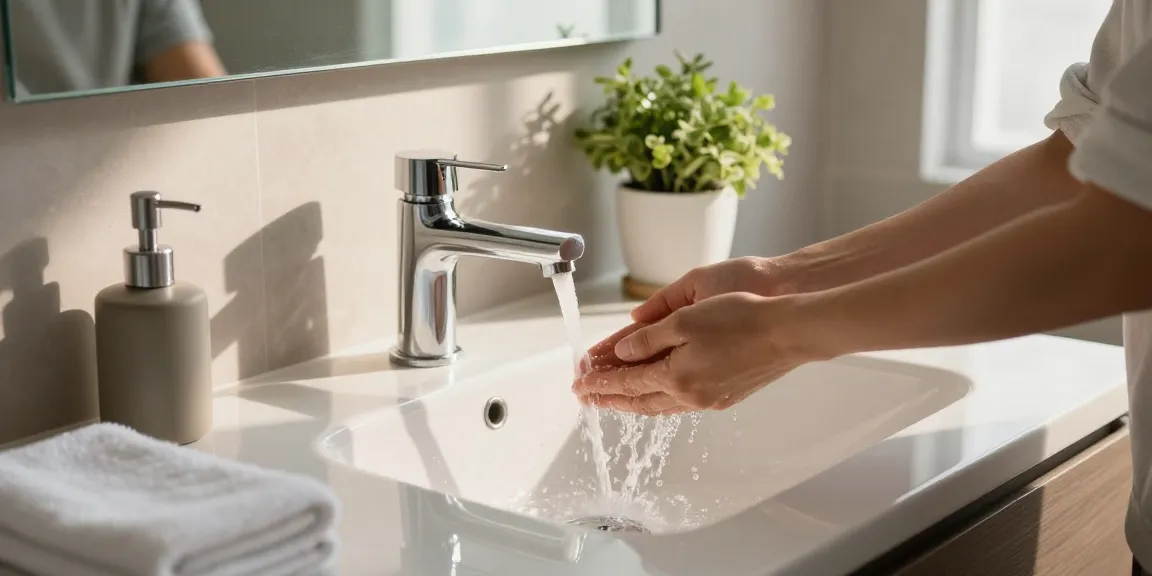
Understanding the Importance of Ablution Wash Basins
Ablution wash basins, essential fixtures in numerous settings, serve a dual purpose: they are not only functional but also play a significant role in various cultural and religious practices. As a key component in facilities such as mosques, community centers, and even private homes, these basins facilitate the important acts of purification and cleanliness that are integral to many faiths. When exploring options, ablution wash basin designs and materials can significantly impact both usability and aesthetic appeal. In this article, we will delve into the significance, modern applications, and evolution of these basins while providing insights into choosing the right one for your needs.
What is an Ablution Wash Basin?
Ablution wash basins are specifically designed for performing wudu, a ritual washing prescribed in Islam before prayers. They typically feature a user-friendly design that encourages cleanliness and easy access for multiple users. These basins are usually made from durable materials, allowing for frequent usage while maintaining hygiene standards. Unlike standard basins, ablution wash basins cater not only to the functional aspect of washing but also emphasize the ritualistic significance associated with the act.
Historical Significance and Modern Use
The tradition of ablution dates back to early Islamic practices, where cleanliness was vital to spiritual life. Historically, these wash basins were crafted from stone or clay and often placed in open courtyards of mosques. Modern design has transformed ablution wash basins into sophisticated fixtures, utilizing materials such as solid surface composites, ceramics, and metals. Today, they are integrated into both public and private spaces, reflecting a blend of tradition and contemporary design.
Key Benefits of Using an Ablution Wash Basin
- Enhanced Hygiene: The design facilitates efficient washing, promoting better hygiene practices among users.
- Spiritual Fulfillment: Provides a dedicated space for performing wudu, which is essential for fulfilling religious obligations.
- Accessibility: Designed to accommodate multiple users, making them suitable for mosques and community centers.
- Durability: Made from high-quality materials, they are resistant to wear and tear, ensuring long-term usage.
- Aesthetic Appeal: Available in various designs, colors, and finishes that can enhance the visual aspect of a space.
Choosing the Right Ablution Wash Basin for Your Space
Factors to Consider When Selecting a Basin
When choosing the right ablution wash basin, several factors come into play. First and foremost is the basin’s size and water supply, which should accommodate the expected number of users. Additionally, consider the basin’s height and user accessibility, especially for children and those with disabilities. The style and material are also critical—modern solid surface materials offer both aesthetic versatility and durability, making them a popular choice.
Popular Materials for Ablution Wash Basins
The materials used in the construction of ablution wash basins significantly affect their longevity and maintenance requirements. Common materials include:
- Solid Surface: Non-porous and easy to clean, offering a seamless look.
- Ceramic: Classic and durable but may chip if subjected to heavy use.
- Stainless Steel: Highly durable and corrosion-resistant, ideal for busy public spaces.
- Natural Stone: Luxurious appearance but requires more maintenance.
Design Trends in 2026 for Ablution Wash Basins
The design landscape for ablution wash basins is evolving, with trends leaning towards minimalism and multifunctionality. In 2026, we can expect more designs that incorporate:
- Modular Designs: Allowing for customization based on user needs.
- Smart Technology: Sensors for automatic water flow and temperature controls.
- Eco-Friendly Materials: Sustainable options that minimize environmental impact.
Installation Best Practices for Ablution Wash Basins
Step-by-Step Installation Guide
Installing an ablution wash basin requires careful planning. Follow these steps for effective installation:
- Assess the Location: Ensure that plumbing and drainage systems are suitable for the new basin.
- Gather Tools: Have all necessary tools and materials on hand, including a wrench, screws, and seals.
- Mark the Installation Area: Clearly mark where the basin will be installed, taking into account the required water supply access.
- Secure the Basin: Follow the manufacturer’s instructions to secure the basin in place, ensuring it is level.
- Connect Plumbing: Carefully connect the water supply and drainage systems.
- Test for Leaks: Once installed, check all connections to ensure there are no leaks before finalizing the installation.
Common Installation Challenges and Solutions
While installing an ablution wash basin, you may encounter several challenges, including:
- Poor Water Pressure: Consider installing a booster pump if the water pressure is inadequate.
- Drainage Issues: Ensure that the drain slopes appropriately to prevent water pooling.
- Space Constraints: Opt for compact designs if space is limited.
Maintaining Plumbing Efficiency with Your Basin
To ensure lasting efficiency, regular maintenance of your ablution wash basin is crucial. This includes:
- Routine inspection of plumbing connections for leaks.
- Cleaning the basin with non-corrosive cleaners to avoid buildup.
- Regularly checking water flow and addressing any clogs promptly.
Innovative Features in Modern Ablution Wash Basins
Smart Technology Integration for Enhanced Experience
Modern ablution wash basins are now incorporating smart technology, providing users with a more convenient experience. Features such as touchless faucets, temperature control, and automated cleaning systems enhance functionality and improve hygiene.
Eco-Friendly Features and Benefits
Many new designs focus on sustainability, utilizing eco-friendly materials and water-saving technologies. Features like low-flow faucets and efficient drainage systems not only reduce water consumption but also promote environmental responsibility.
Customization Options for Personalization
With more manufacturers offering customizable options, users can now design ablution wash basins that reflect their individual tastes. This includes choosing colors, finishes, and even integrated lighting features to enhance the overall ambiance of the space.
Future Trends for Ablution Wash Basins in 2026 and Beyond
Predicted Innovations in Design and Functionality
As technology advances, the design of ablution wash basins is expected to integrate even more innovative features. We anticipate the introduction of smart sensors that automatically adjust water flow and temperature, as well as built-in filtration systems to ensure clean water for users.
Market Demand and Consumer Preferences
The growing awareness of hygiene in public spaces is driving demand for high-quality ablution wash basins. Consumers are increasingly looking for products that combine functionality, style, and sustainability, pushing manufacturers to innovate continuously.
Impact of Lifestyle Changes on Basin Design
As societal norms evolve, the demand for more versatile ablution wash basins is on the rise. With more people seeking to incorporate religious practices into their daily lives, the design of these basins will likely shift towards accommodating various lifestyles, including busy urban environments.
What Are the Environmental Considerations?
Environmental considerations are becoming more prominent in the manufacturing of ablution wash basins. Eco-friendly materials and sustainable practices are essential in minimizing the environmental footprint of these products while ensuring functionality and durability.
How to Choose the Right Supplier?
When selecting a supplier for your ablution wash basin, prioritize those with a solid reputation for quality and innovation. Look for suppliers who offer a range of products, customization options, and excellent customer service. Additionally, consider their commitment to sustainability and environmentally-friendly practices.