
Understanding Kidepo Valley National Park
Kidepo Valley National Park, located in the remote northeastern corner of Uganda, is an extraordinary destination that captivates travelers with its breathtaking landscapes and rich biodiversity. Spanning over 1,442 square kilometers, this park is nestled between borders with South Sudan and Kenya, making it one of the most secluded national parks in Africa. Here, visitors can experience a true African safari, away from the crowds that often flock to other popular destinations. The park’s stunning savanna, rocky mountains, and hidden valleys provide a unique habitat for a variety of wildlife, including large herds of elephants, lions, and numerous bird species. For detailed travel planning and insights, NAGA2000 offers extensive resources to help travelers navigate their adventure into this hidden gem.
Overview of Kidepo Valley and its Significance
Kidepo Valley National Park is not just a sanctuary for wildlife; it is a vital ecological zone that supports diverse ecosystems. The park’s varied landscape creates different habitats ranging from open savannahs to rugged mountains, allowing for a high concentration of flora and fauna. Its significance extends to conservation efforts, as it protects endangered species and plays a crucial role in maintaining the ecological balance in the region. Despite being lesser-known compared to other parks, Kidepo holds immense value both as a biodiversity hotspot and as a cultural treasure, reflecting the heritage of the Karamojong people who inhabit the surrounding areas.
Flora and Fauna Unique to the Park
One of the most appealing aspects of Kidepo Valley National Park is its incredible wildlife diversity. The park is home to over 77 species of mammals, including the iconic African elephant, Rothschild’s giraffe, and various antelope species. Predators such as lions and cheetahs roam the plains, providing thrilling game viewing opportunities. Birdwatchers are in for a treat, as the park boasts over 475 recorded bird species, including the rare secretary bird and several eagle species. Unique vegetation types, such as acacia trees and grasslands, thrive in the park, supported by its diverse climatic conditions.
Visitor Statistics and Demographics
Despite its beauty and ecological importance, Kidepo Valley National Park sees relatively low visitor numbers compared to other Ugandan national parks. This seclusion is appealing to travelers seeking a more intimate wildlife experience. Visitor demographics vary but often include eco-tourists, wildlife photographers, and adventure seekers from around the globe. As awareness of Kidepo’s splendor grows, so too does the potential for increased tourism that benefits both the local community and conservation efforts.
Planning Your Visit
Preparing for a trip to Kidepo Valley National Park requires careful consideration of several factors, including timing, transportation, and accommodation options. Understanding these elements can enhance your safari experience and ensure that your adventure is seamless and memorable.
Best Times to Visit Kidepo Valley
The optimal time to visit Kidepo Valley National Park is during the dry seasons, which occur from June to September and December to February. During these periods, wildlife congregates around the few available water sources, increasing the chances of sightings. Additionally, the dry weather facilitates easier travel and exploration within the park. However, visiting during the rainy season can also be rewarding, as the landscape transforms into a lush paradise, and the park experiences fewer visitors.
Transport Options to Kidepo Valley
Reaching Kidepo Valley National Park may require some forethought, particularly due to its remote location. Visitors can opt for charter flights from Entebbe International Airport to Kidepo Valley Airstrip, significantly reducing travel time to around two hours. Alternatively, adventurous travelers can undertake a road trip, which typically takes 10-12 hours by car, passing through Gulu and Kitgum. This journey offers an authentic look at Uganda’s beautiful landscapes and vibrant local cultures along the way.
Accommodation Choices within the Park
Accommodation options in Kidepo Valley National Park cater to various budgets and preferences. From luxury lodges with stunning views of the savanna to basic camping facilities that allow you to immerse yourself in nature, there is something for everyone. Popular accommodations often include safari tents equipped with modern amenities, ensuring comfort while allowing guests to connect with the wild surroundings. Advanced booking is recommended, particularly during peak travel seasons.
Activities and Experiences in Kidepo Valley
Kidepo Valley offers a plethora of activities designed to immerse travelers in the stunning natural environment. Each experience is unique and crafted to engage the senses, providing opportunities for wildlife observation and cultural interaction.
Game Drives and Wildlife Watching
Game drives are a quintessential safari activity in Kidepo Valley National Park. Led by experienced guides, these excursions take you through the park’s diverse habitats, offering opportunities to witness a variety of wildlife in their natural settings. Morning and evening drives are particularly popular, as these times typically see increased animal activity. Highlights often include elephants, lions, and various antelope species.
Guided Walking Safaris and Exploration
For those seeking a more intimate exploration of Kidepo Valley, guided walking safaris present a unique way to connect with the landscape. Accompanied by knowledgeable local guides, visitors can trek through designated trails, observing smaller wildlife and learning about the ecosystem’s intricacies. Walking safaris not only provide an opportunity to see wildlife but also allow for a deeper understanding of the flora and fauna that define this remarkable park.
Bird Watching Opportunities
Birdwatching is a top activity for enthusiasts visiting Kidepo Valley National Park. With over 475 bird species recorded, the park is a paradise for bird lovers. Guided birding tours increase the likelihood of spotting rare species such as the majestic shoebill stork and various raptors. The varying habitats across the park contribute to its rich avian diversity, making it a prime location for birdwatching throughout the year.
Navigating Challenges During Your Safari
While a safari in Kidepo Valley is undoubtedly rewarding, travelers may encounter several challenges along the way. Being prepared and informed can help mitigate these obstacles and enhance the overall experience.
Common Obstacles and How to Overcome Them
Traveling to remote areas can present challenges, such as limited access to amenities or unforeseen road conditions due to weather. It’s crucial to plan ahead, ensuring you have the necessary supplies, including food, water, and proper gear. Engaging local guides not only enhances the experience but also provides insights into navigating potential challenges effectively.
Safety Tips for a Successful Safari
Safety should always be a priority during safari experiences. Following guidelines provided by park rangers, maintaining a safe distance from wildlife, and being cautious during night excursions can significantly reduce risks. Additionally, travelers should respect the natural environment and adhere to park regulations to ensure a safe and enjoyable experience for everyone.
Understanding Park Regulations and Guidelines
Every national park has regulations in place to protect both wildlife and visitors. Kidepo Valley National Park is no exception, and understanding these rules is essential before embarking on your safari. Visitors should familiarize themselves with speed limits, designated areas for wildlife viewing, and any restrictions on camping or hiking outside established trails.
Future of Safari Tourism in Kidepo Valley
The outlook for safari tourism in Kidepo Valley National Park is promising, with ongoing efforts to enhance visitor experiences while promoting sustainability and conservation.
Upcoming Developments and Improvements
As interest in Kidepo continues to grow, the park is expected to see developments in infrastructure and visitor services. These improvements may include enhanced roads, additional accommodation options, and more comprehensive guided tours that showcase the park’s unique offerings. Collaboration with local communities will be essential to ensure that tourism growth is sustainable and beneficial to all stakeholders.
Trends in Eco-Tourism and Sustainability
Eco-tourism is becoming increasingly important in Kidepo Valley, with more travelers seeking sustainable and responsible experiences. This trend encourages operators to adopt eco-friendly practices, such as reducing waste, conserving water, and supporting local communities. As Kidepo evolves, it has the potential to set a benchmark for sustainable safari tourism in Uganda and beyond.
Predictions for Safari Experiences in 2026
Looking towards 2026, Kidepo Valley National Park is poised to offer even richer safari experiences. With advancements in technology and increased focus on conservation, visitors may encounter innovative guided tours, immersive wildlife experiences, and enhanced educational programs that promote awareness about the significance of preserving Uganda’s natural heritage.
What Should I Pack for Kidepo Valley?
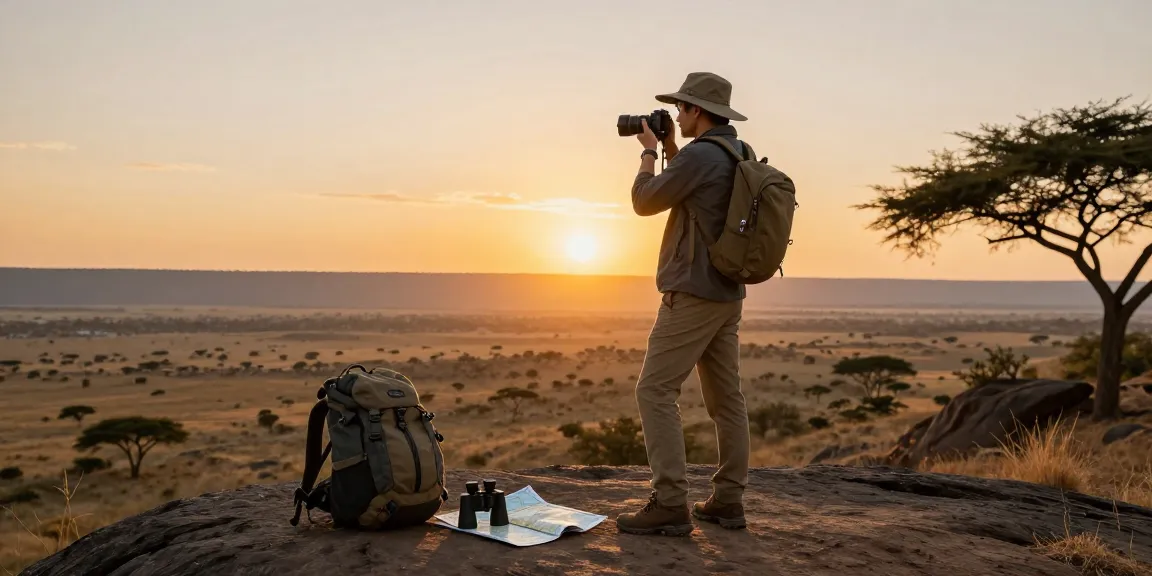
When preparing for a safari in Kidepo Valley, packing appropriately is crucial to ensure comfort and readiness for various activities. Essentials include comfortable clothing suitable for warm days and cooler nights, sturdy walking shoes for safaris, sun protection, and any personal medications. Binoculars and a good camera are also recommended for wildlife watching and capturing memories of your adventure.
Are There Guided Tours Available in Kidepo Valley?
Yes, guided tours are readily available in Kidepo Valley National Park. These tours can be customized to suit individual preferences, allowing visitors to focus on specific activities such as bird watching, game drives, or cultural experiences with local tribes. Engaging local guides enriches the experience, providing deeper insights into the park’s wildlife and ecosystems.
What Wildlife Can I Expect to See in Kidepo Valley?
Kidepo Valley is renowned for its diverse wildlife. Expect to see large herds of elephants, roaming lions, elusive cheetahs, and various antelopes. Birdwatchers will be thrilled by the abundance of species, including the stunning African fish eagle and the colorful lilac-breasted roller. Each visit to Kidepo promises unique wildlife encounters that create lasting memories.
How Do I Get to Kidepo Valley from Kampala?
Traveling from Kampala to Kidepo Valley National Park can be achieved by either air or road transport. The quickest route is via a charter flight that takes approximately two hours. Alternatively, a more adventurous approach is to drive, which involves a scenic route that can take up to 12 hours. This road trip not only offers beautiful views but also an opportunity to interact with local communities along the way.
Can I Visit Kidepo Valley During the Rainy Season?
While the rainy season, particularly from March to May and October to November, can present challenges such as muddy roads, it is still possible to visit Kidepo Valley. The park’s lush landscapes during this time create a different, yet equally stunning, ambiance. Wildlife viewing may be less predictable, but the tranquility and solitude of the park during the rainy season can be very rewarding for nature enthusiasts.