

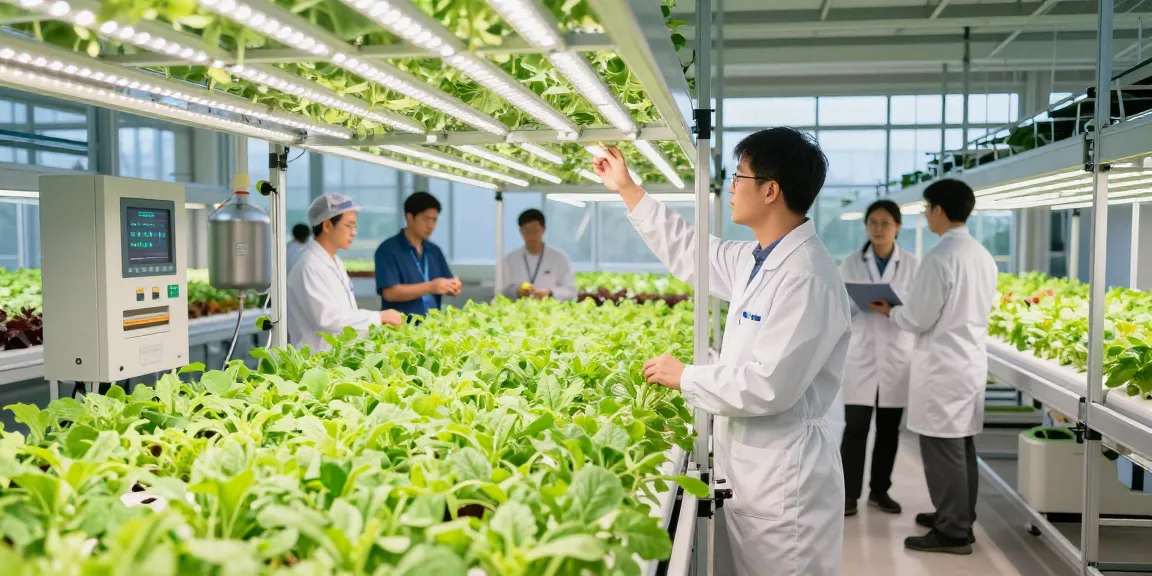
The Concept of Indoor Agriculture with CIKA4D
As the global demand for food continues to rise alongside urbanization, innovative farming methods such as indoor agriculture have become essential. CIKA4D, a key player in this field, integrates advanced technology with effective design to revolutionize indoor farming. By focusing on controlled environments that optimize plant growth, CIKA4D aims to provide solutions for sustainable and efficient agricultural practices in urban settings. When exploring options, cika4d provides comprehensive insights into modern agricultural solutions and facilities.
What is CIKA4D in the Context of Indoor Farming?
CIKA4D stands for Comprehensive Indoor Knowledge and Agricultural Development. It specializes in designing and constructing facilities that cater specifically to the needs of indoor agriculture. This involves creating optimal environments for various plant species through controlled climate systems, advanced lighting solutions, and efficient space utilization. The goal is to enhance productivity while reducing resource consumption, ensuring farmers can meet increasing demands sustainably.
Benefits of Indoor Agriculture for Modern Growers
- Year-Round Crop Production: Indoor agriculture allows for continuous farming irrespective of external weather conditions, leading to consistent yields throughout the year.
- Resource Efficiency: With precise control over water and nutrients, indoor farming reduces waste and maximizes resource use, providing economic benefits to growers.
- Reduced Pest and Disease Pressure: Controlled environments make it easier to manage pests and diseases, minimizing the need for chemical interventions.
- Accessibility: Urban farms can bring food production closer to consumers, reducing transportation costs and enhancing food security.
- Environmental Impact: Indoor agriculture can significantly lower the carbon footprint associated with traditional farming and food distribution.
Understanding the Technological Advancements in CIKA4D
The foundation of CIKA4D’s approach lies in integrating cutting-edge technologies into the agricultural process. Key advancements include:
- Hydroponics and Aeroponics: These soil-less cultivation methods allow plants to grow with minimal water while optimizing nutrient delivery.
- LED Grow Lights: Energy-efficient and spectrally tailored lighting systems enhance photosynthesis, supporting healthier plant growth.
- Climate Control Systems: Automated systems monitor and adjust temperature, humidity, and CO2 levels to create ideal growing conditions.
- Data Analytics: Utilizing sensors and IoT technology, growers can collect and analyze data to improve decision-making and optimize yield.
Planning Your CIKA4D Indoor Agriculture Facility
Planning an indoor agriculture facility is a complex process that requires careful thought and consideration. Every aspect, from design to technology selection, is critical in ensuring that the facility operates efficiently and effectively. Here are some key considerations when planning your facility.
Key Considerations for Design and Layout
The layout of an indoor agriculture facility should prioritize productivity and efficiency. Considerations include:
- Space Utilization: Vertical farming techniques can significantly increase plant density and yield in a limited space.
- Workflow Design: Plan for smooth operational flow, from planting to harvesting, to minimize labor and time.
- Access to Utilities: Ensure easy access to water, nutrients, and power sources for efficient management.
- Scalability: Design your facility with future expansion in mind to accommodate growth in production needs.
Choosing the Right Technology and Equipment
Selecting appropriate technologies is crucial for optimizing performance. Consider these factors:
- System Compatibility: Ensure that chosen growing systems (hydroponic, aquaponic, etc.) work harmoniously with environmental controls.
- Energy Efficiency: Invest in energy-saving technologies to reduce operational costs in the long run.
- Ease of Maintenance: Select equipment that is easy to service and replace to minimize downtime.
- Vendor Support: Work with suppliers that provide reliable customer support and training.
Critical Environmental Factors to Address
When planning an indoor agriculture facility, environmental factors significantly influence plant growth and yield. Key elements include:
- Light: Ensure adequate light spectrum and intensity for photosynthesis throughout the plant’s growth cycle.
- Temperature Control: Set and maintain optimal temperature ranges to promote healthy growth and prevent stress.
- Humidity Levels: Proper humidity control can prevent mold and diseases while fostering plant health.
- Airflow: Implement proper ventilation to ensure air circulation, which helps with temperature regulation and reduces disease risks.
Implementing CIKA4D Solutions
Transitioning from planning to implementation is a pivotal phase in establishing an indoor agriculture facility. This section outlines the necessary steps to ensure a successful launch.
Step-by-Step Guide to Launching Your Facility
Successfully launching your indoor agriculture facility involves several critical steps:
- Initial Research: Understand market demands and select crops based on economic viability and ease of cultivation.
- Design Finalization: Finalize plans based on consultations with experts in indoor agriculture.
- Secure Funding: Explore various financing options, including grants, loans, and partnerships to secure necessary capital.
- Construction: Work with skilled contractors who specialize in indoor agriculture to ensure compliance with safety standards and efficiency.
- Systems Testing: Implement and rigorously test all systems—climate control, irrigation, and lighting—before planting.
- Staff Training: Equip your team with the knowledge and skills needed to operate and maintain the facility effectively.
- Planting and Monitoring: Begin with a pilot crop to monitor systems, make adjustments, and refine processes.
Common Challenges and How to Overcome Them
While the journey towards establishing an indoor agriculture facility can be rewarding, several challenges may arise:
- Initial Costs: Mitigate this by developing a detailed budget and exploring diverse funding sources.
- Technology Integration: Ensure a smooth transition by training staff and investing in systems that are user-friendly.
- Environmental Control Issues: Regularly monitor climate conditions and have contingency plans in place for equipment failures.
- Market Fluctuations: Stay informed about market trends and diversify crop production to mitigate risks.
Real-World Case Studies of Successful CIKA4D Projects
Understanding real-world applications of CIKA4D principles can provide valuable insights. For instance, a recent project in urban New York converted an old warehouse into a fully functional vertical farm, utilizing hydroponics to produce leafy greens year-round. This project not only addressed food scarcity in the city but also showcased the effectiveness of CIKA4D’s design and technology integration.
Optimizing Performance in CIKA4D Facilities
Once your facility is operational, continuously optimizing its performance is essential. Focus on measuring outcomes accurately and enhancing productivity through sustainable practices.
Measuring Efficiency and Yield Output
To assess the performance of your indoor agriculture facility, consider the following metrics:
- Yield per Square Foot: Track production levels in relation to space used for cultivation.
- Water Usage: Monitor water consumption and efficiency, adjusting systems to minimize waste.
- Energy Consumption: Evaluate energy use against output to identify opportunities for improvements.
- Crop Quality: Assess the market performance of crops based on taste, appearance, and consumer feedback.
Integrating Sustainability Practices in Indoor Farming
Adopting sustainable practices is essential in modern agriculture. CIKA4D emphasizes:
- Resource Recycling: Implement systems that allow for the reuse of water and nutrients.
- Organic Practices: Reduce chemical inputs by utilizing organic methods and pest control techniques.
- Environmental Stewardship: Prioritize biodiversity and ecosystem health within production practices.
- Community Involvement: Engage local communities in initiatives, promoting awareness and collaboration.
Future Trends in CIKA4D Technology and Practices
Looking ahead, several trends are likely to shape the future of indoor farming:
- Artificial Intelligence: Enhanced automation and decision-making through AI and machine learning.
- Increased Use of Robotics: Automation of labor-intensive tasks such as planting, harvesting, and monitoring.
- Collaboration with Biotechnology: Genetic advancements to develop crop varieties optimized for indoor growing conditions.
- Expansion of Urban Agriculture: Increased focus on integrating agriculture into urban landscapes, promoting local food production.
Frequently Asked Questions about CIKA4D
What are the initial costs associated with CIKA4D?
The initial costs can vary widely based on the size and complexity of the facility. However, investing in advanced technology and efficient systems can lead to long-term savings.
How does CIKA4D support sustainable agriculture?
CIKA4D promotes sustainable agriculture by offering solutions that reduce resource consumption, minimize waste, and enhance crop quality through controlled environments.
What crops are best suited for CIKA4D systems?
Leafy greens, herbs, and small fruits tend to perform well in indoor agriculture systems due to their relatively short growth cycles and adaptability to controlled environments.
How can I upgrade my existing facility to use CIKA4D?
Upgrading can involve retrofitting existing structures with new technology, enhancing climate controls, and investing in sustainable practices and training for staff.
Are there government incentives for indoor agriculture using CIKA4D?
Many governments offer incentives for sustainable agricultural practices, including grants, tax breaks, and subsidized loans. It’s essential to research local programs available for indoor agriculture initiatives.